


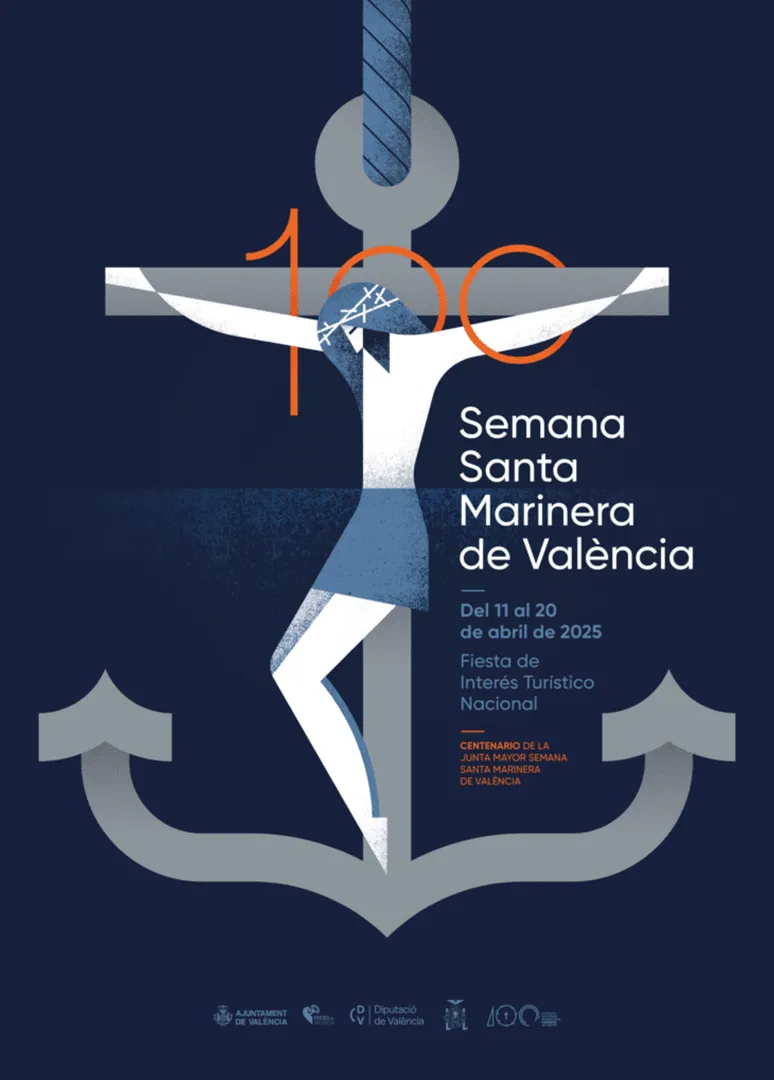
The Semana Santa Marinera is one of the most unique celebrations in Valencia and takes place in the maritime neighbourhoods of Grau, Cabanyal and Canyamelar. Its main characteristics are:
You can consult the full programme on the official website: weeksantamarinera.org
Easter also brings with it some flavours that you can't miss. Here are the 5 dishes we recommend you try on your visit to Valencia:
They are also known as buñuelos, albóndigas de bacalao or, in Valencian, mandonguilles d'abaetxo.
This delicious combination of cod and potato, with a hint of garlic and parsley, features an incredibly fluffy interior and a crispy exterior that makes it irresistible.
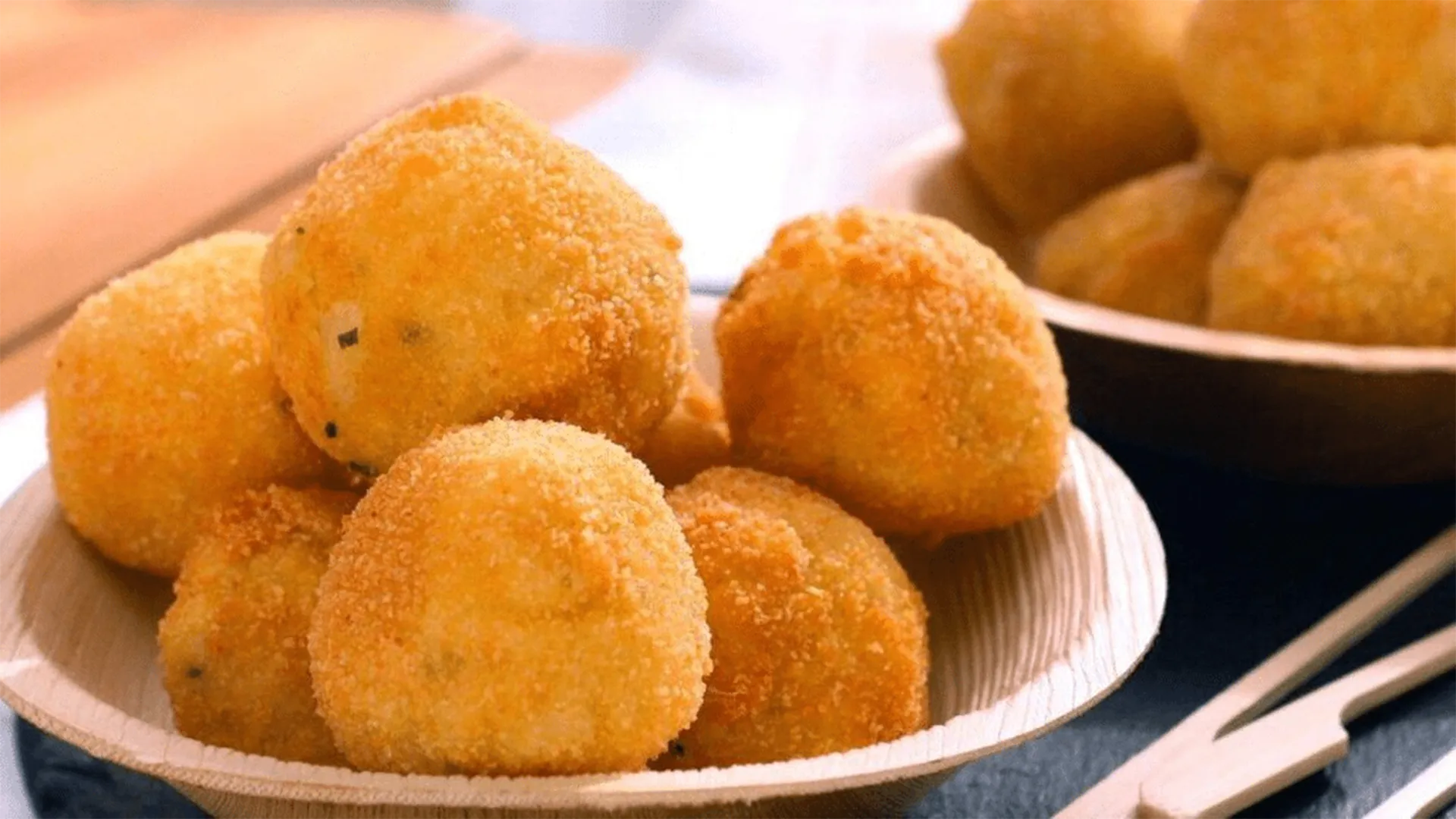
It is a dish deeply rooted in Valencian gastronomy, present in countless homes and beyond Easter.
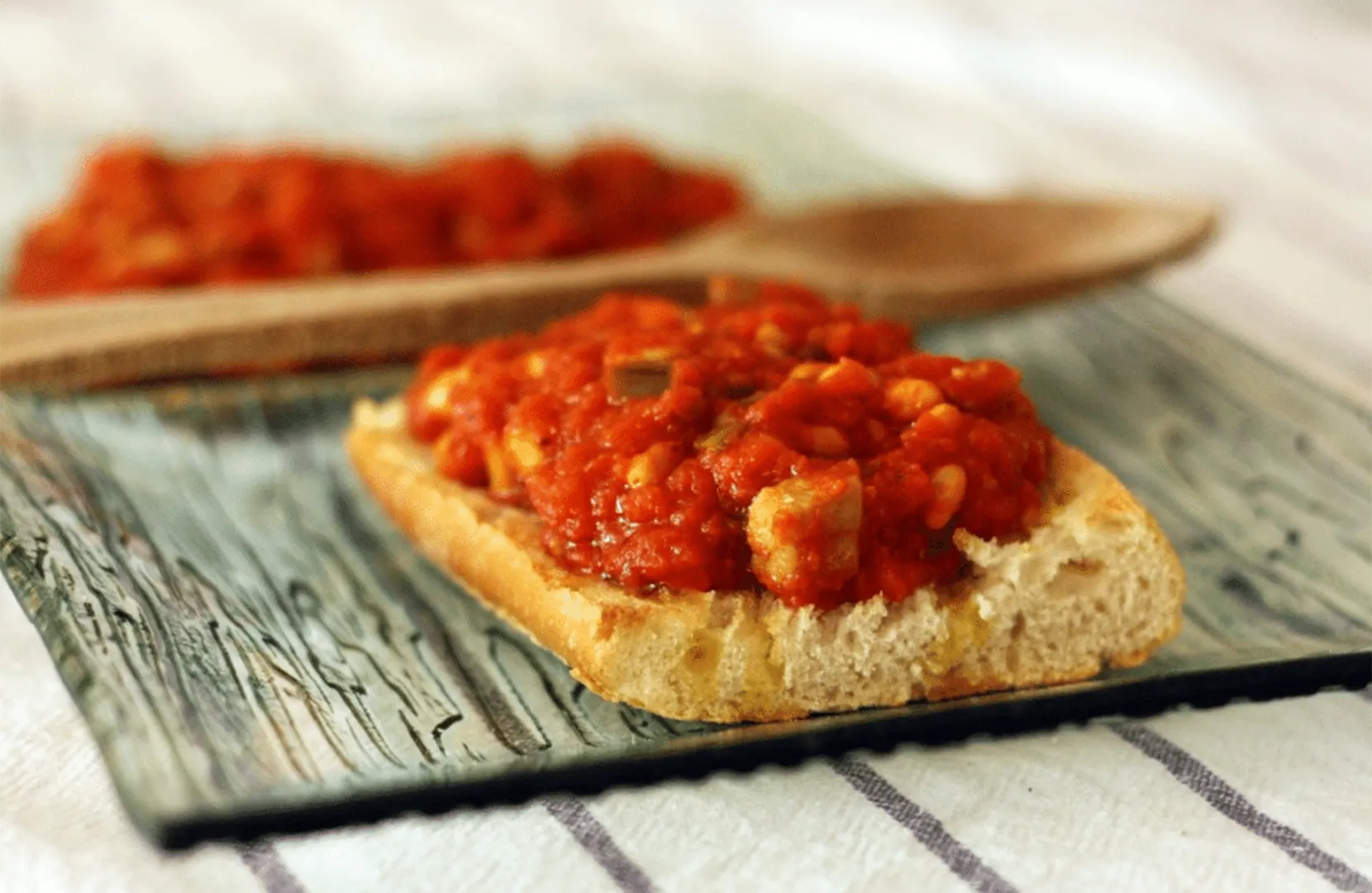
Known as pisto valenciano (Valencian ratatouille), it is a fried tomato sauce with red and green peppers, accompanied by pine nuts and seasoned with garlic, although some prefer not to use this ingredient. Its most special touch is the tonyina or tollina de sorra, which is nothing more than salted tuna belly, giving it a unique and characteristic flavour.
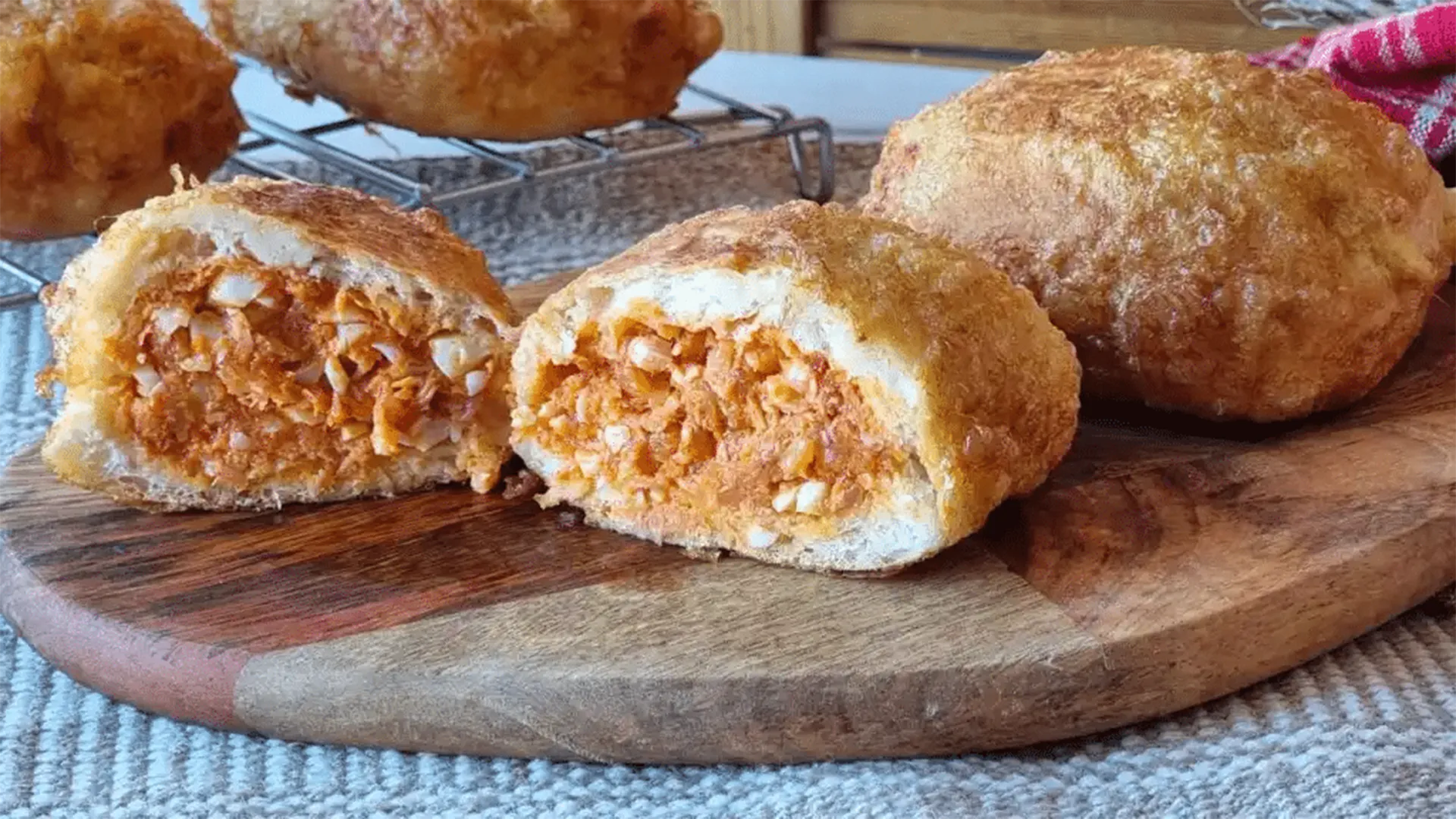
This is a small bread roll from which one of the ends and the crumb is removed and filled with titaina.
But the preparation doesn't end there: it is closed again with the same tip, secured with a toothpick, then soaked in milk, dipped in egg batter and fried to a golden, crispy texture. A real treat!
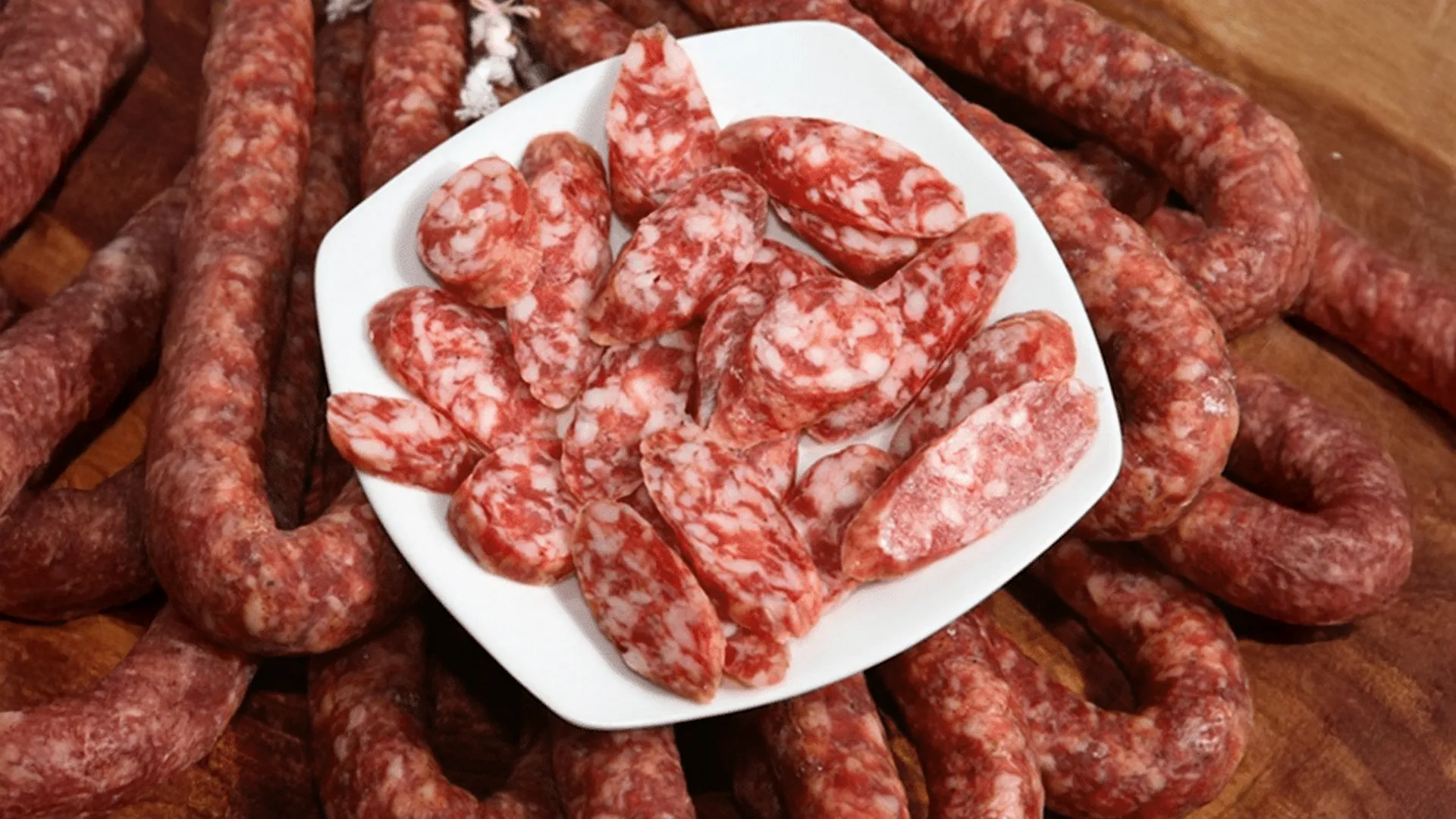
O llonganissa, is no ordinary sausage. It is a thin, elongated sausage, with an intense touch of spices, which is cured until it reaches the ideal point to be eaten raw.
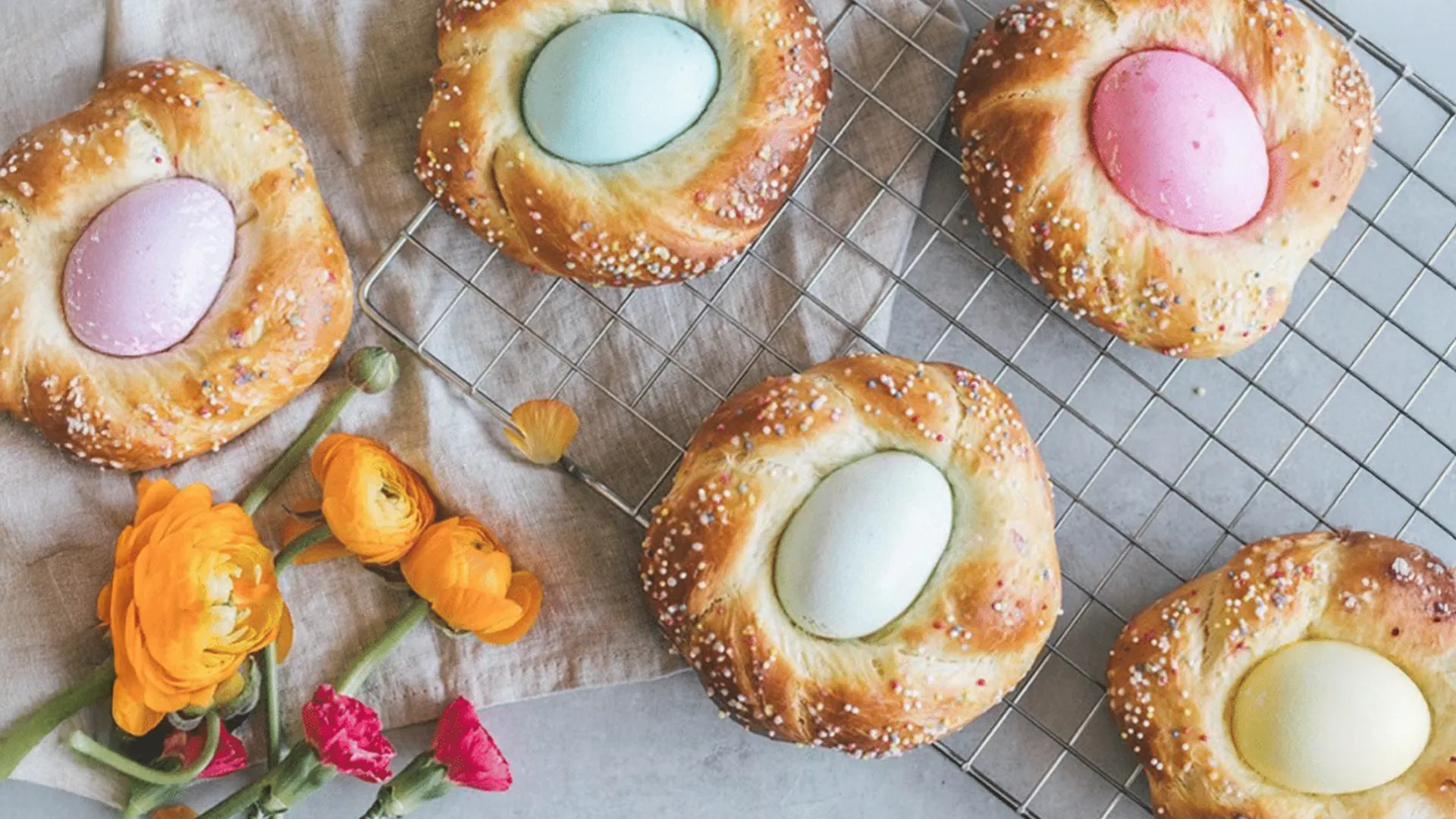
The monkey, also called panou o panquemao, is the most typical Easter sweet in Valencia. Of Arab origin, it is a sponge cake made of flour, egg and sugar that is enjoyed as an afternoon snack. It is round in shape and traditionally has a hard-boiled egg in the centre, although nowadays it is usually replaced by a chocolate one. If it is individual and has aniseed, it is the classic Easter cake.
If you are travelling with your family, Valencia offers plans adapted for the little ones:
The Semana Santa Marinera is one of the most unique celebrations in Valencia and takes place in the maritime neighbourhoods of Grau, Cabanyal and Canyamelar. Its main characteristics are:
You can consult the full programme on the official website: weeksantamarinera.org
Easter also brings with it some flavours that you can't miss. Here are the 5 dishes we recommend you try on your visit to Valencia:
They are also known as buñuelos, albóndigas de bacalao or, in Valencian, mandonguilles d'abaetxo.
This delicious combination of cod and potato, with a hint of garlic and parsley, features an incredibly fluffy interior and a crispy exterior that makes it irresistible.
It is a dish deeply rooted in Valencian gastronomy, present in countless homes and beyond Easter.
Known as pisto valenciano (Valencian ratatouille), it is a fried tomato sauce with red and green peppers, accompanied by pine nuts and seasoned with garlic, although some prefer not to use this ingredient. Its most special touch is the tonyina or tollina de sorra, which is nothing more than salted tuna belly, giving it a unique and characteristic flavour.
This is a small bread roll from which one of the ends and the crumb is removed and filled with titaina.
But the preparation doesn't end there: it is closed again with the same tip, secured with a toothpick, then soaked in milk, dipped in egg batter and fried to a golden, crispy texture. A real treat!
O llonganissa, is no ordinary sausage. It is a thin, elongated sausage, with an intense touch of spices, which is cured until it reaches the ideal point to be eaten raw.
The monkey, also called panou o panquemao, is the most typical Easter sweet in Valencia. Of Arab origin, it is a sponge cake made of flour, egg and sugar that is enjoyed as an afternoon snack. It is round in shape and traditionally has a hard-boiled egg in the centre, although nowadays it is usually replaced by a chocolate one. If it is individual and has aniseed, it is the classic Easter cake.
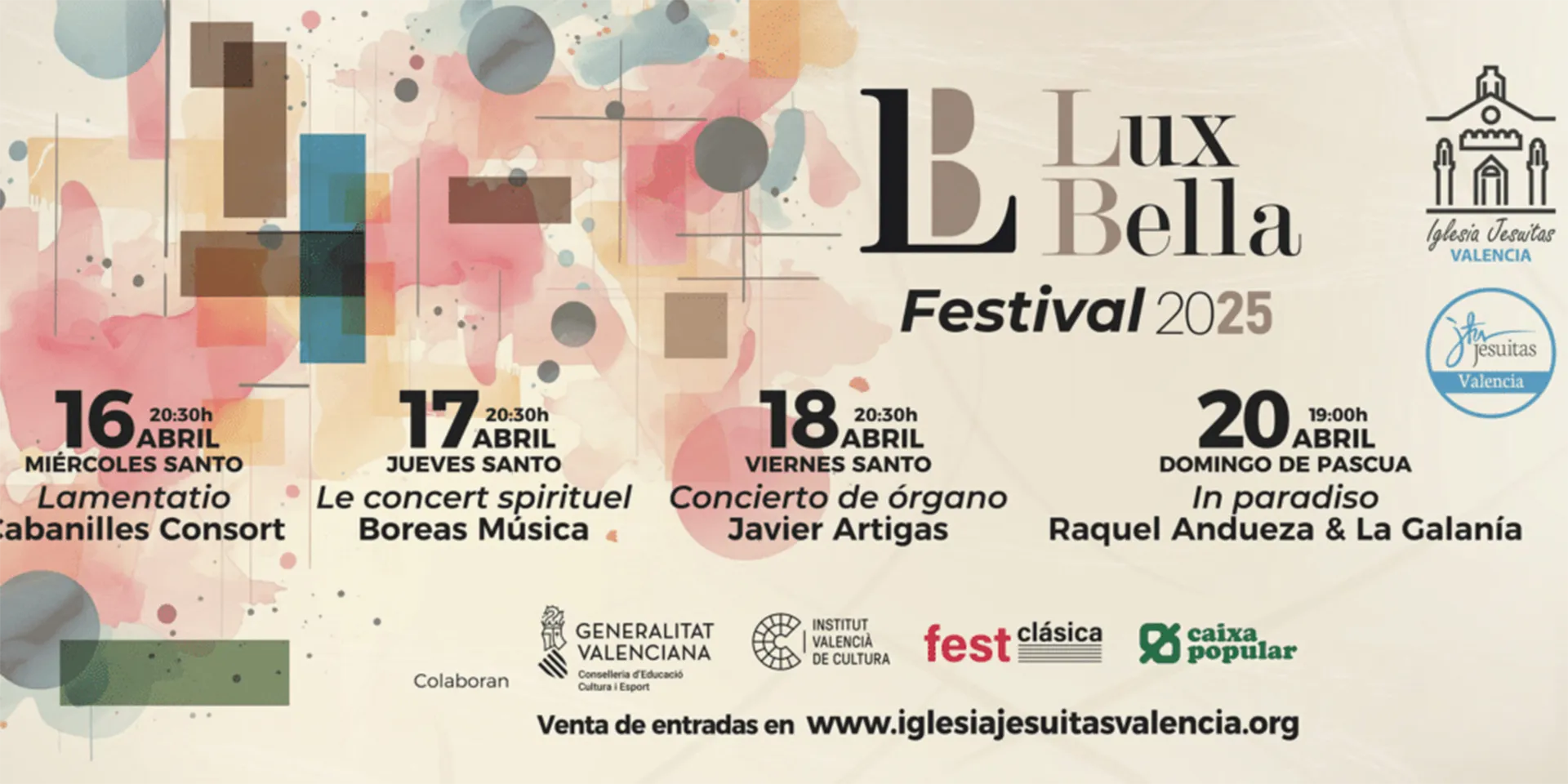
Valencia offers many activities to enjoy these festive days. Here are some of the most outstanding plans for this year:
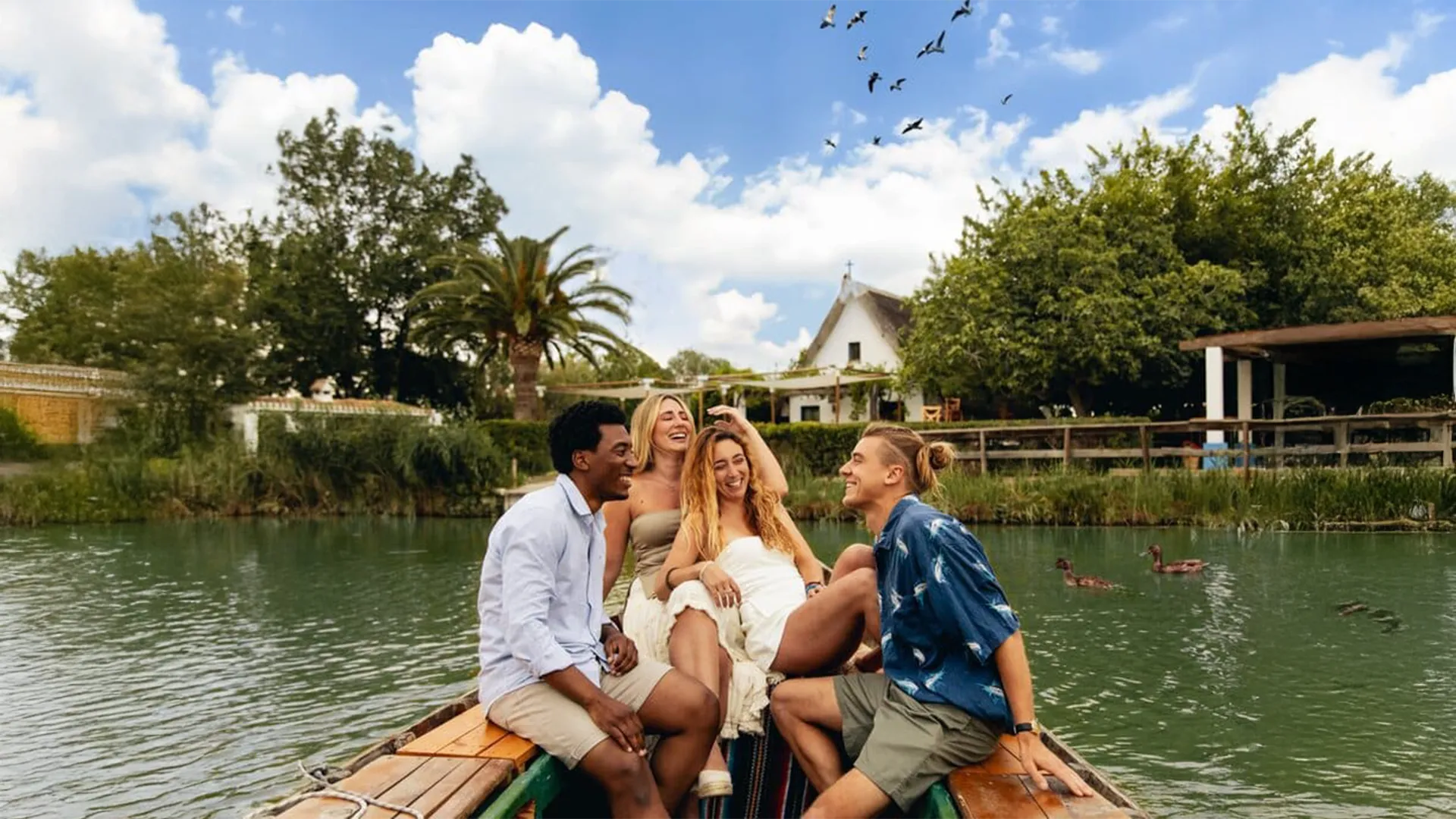
If you are travelling with your family, Valencia offers plans adapted for the little ones:
The Semana Santa Marinera is one of the most unique celebrations in Valencia and takes place in the maritime neighbourhoods of Grau, Cabanyal and Canyamelar. Its main characteristics are:
You can consult the full programme on the official website: weeksantamarinera.org
Easter also brings with it some flavours that you can't miss. Here are the 5 dishes we recommend you try on your visit to Valencia:
They are also known as buñuelos, albóndigas de bacalao or, in Valencian, mandonguilles d'abaetxo.
This delicious combination of cod and potato, with a hint of garlic and parsley, features an incredibly fluffy interior and a crispy exterior that makes it irresistible.
It is a dish deeply rooted in Valencian gastronomy, present in countless homes and beyond Easter.
Known as pisto valenciano (Valencian ratatouille), it is a fried tomato sauce with red and green peppers, accompanied by pine nuts and seasoned with garlic, although some prefer not to use this ingredient. Its most special touch is the tonyina or tollina de sorra, which is nothing more than salted tuna belly, giving it a unique and characteristic flavour.
This is a small bread roll from which one of the ends and the crumb is removed and filled with titaina.
But the preparation doesn't end there: it is closed again with the same tip, secured with a toothpick, then soaked in milk, dipped in egg batter and fried to a golden, crispy texture. A real treat!
O llonganissa, is no ordinary sausage. It is a thin, elongated sausage, with an intense touch of spices, which is cured until it reaches the ideal point to be eaten raw.
The monkey, also called panou o panquemao, is the most typical Easter sweet in Valencia. Of Arab origin, it is a sponge cake made of flour, egg and sugar that is enjoyed as an afternoon snack. It is round in shape and traditionally has a hard-boiled egg in the centre, although nowadays it is usually replaced by a chocolate one. If it is individual and has aniseed, it is the classic Easter cake.